Access to clean drinking water is often treated as an infrastructure issue. However, in many rural and remote communities, water insecurity is not solely the result of missing equipment. It also reflects how systems operate in practice: how policies are implemented, how services are maintained, and how communities can use and sustain solutions over time. When these systems do not function effectively, the impact goes beyond health. It deepens inequality and creates long-term social and economic costs.
In rural Thailand, water supply systems face ongoing challenges. National data indicate that nearly 90% of village water supply systems do not meet minimum quality standards, with contamination from both pathogens and heavy metals. These risks affect health, especially for children and older people, and increase pressure on households and health services. Seasonal contamination, aging infrastructure, and limited local capacity further weaken system performance. This shows that improving water access requires system-level approaches based on real-world evidence, not technical solutions alone.
MIDAS Perspective and Action on Clean Water Systems
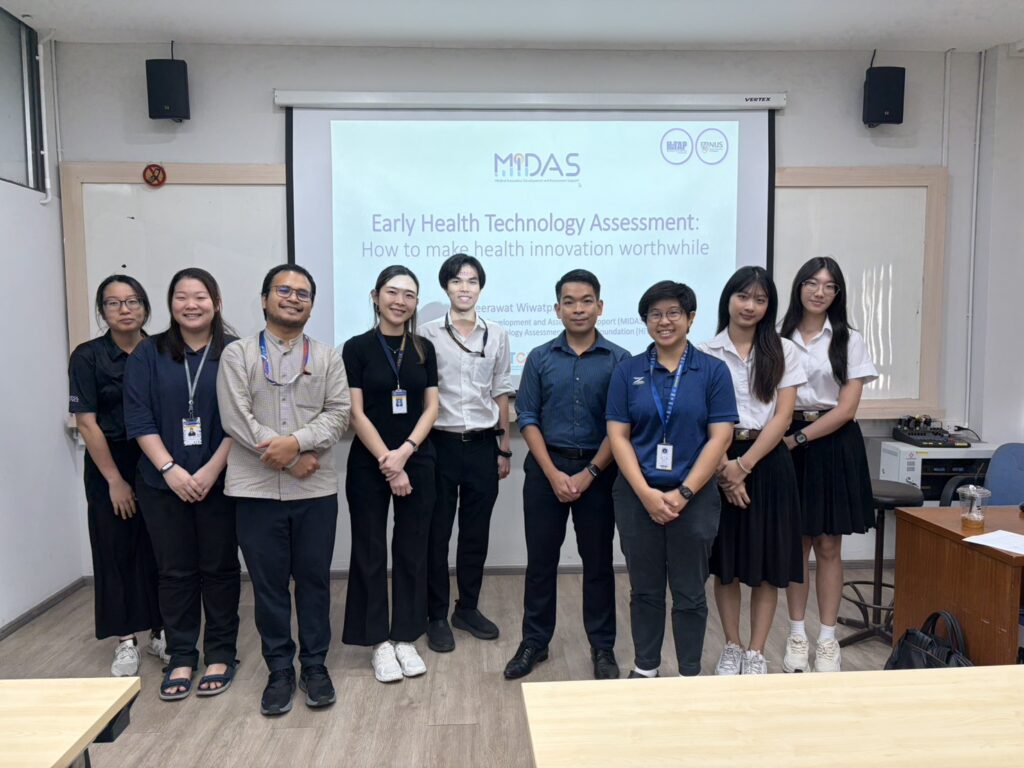
This system-level challenge reflects the key focus of the Medical Innovation Development and Assessment Support (MIDAS), which applies early health technology assessment (early HTA) to anticipate how innovations generate value, interact with health and community systems, and inform policy decisions before scale-up.
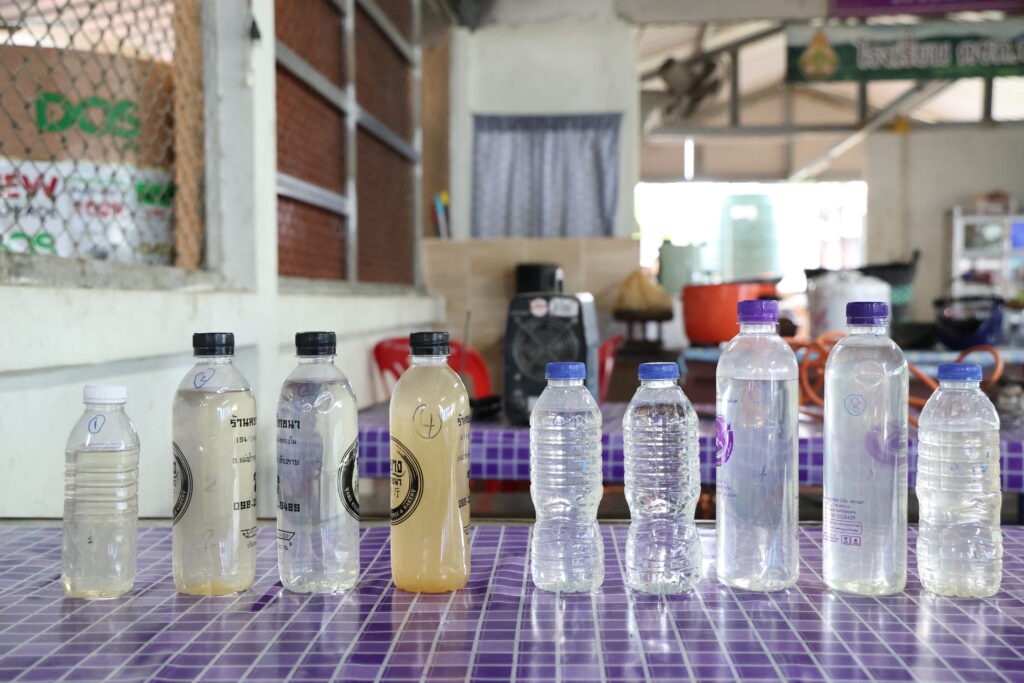
In the first two pilot areas: Mae Tuen Wittayakom School in Omkoi District, Chiang Mai, and Border Patrol Police School Bamrung 87 in Mae Fah Luang District, Chiang Rai, clean water filtration systems were installed through a collaboration between MIDAS, the Health Intervention and Technology Assessment Program Foundation (HITAP), the National University of Singapore (NUS), and the Wateroam team. Alongside implementation, the team conducted in-field assessments to examine how these interventions function in real-world settings. This work included assessing water quality, observing system use and maintenance, and engaging with schools, health facilities, and community members to evaluate acceptability, feasibility, and operational challenges.
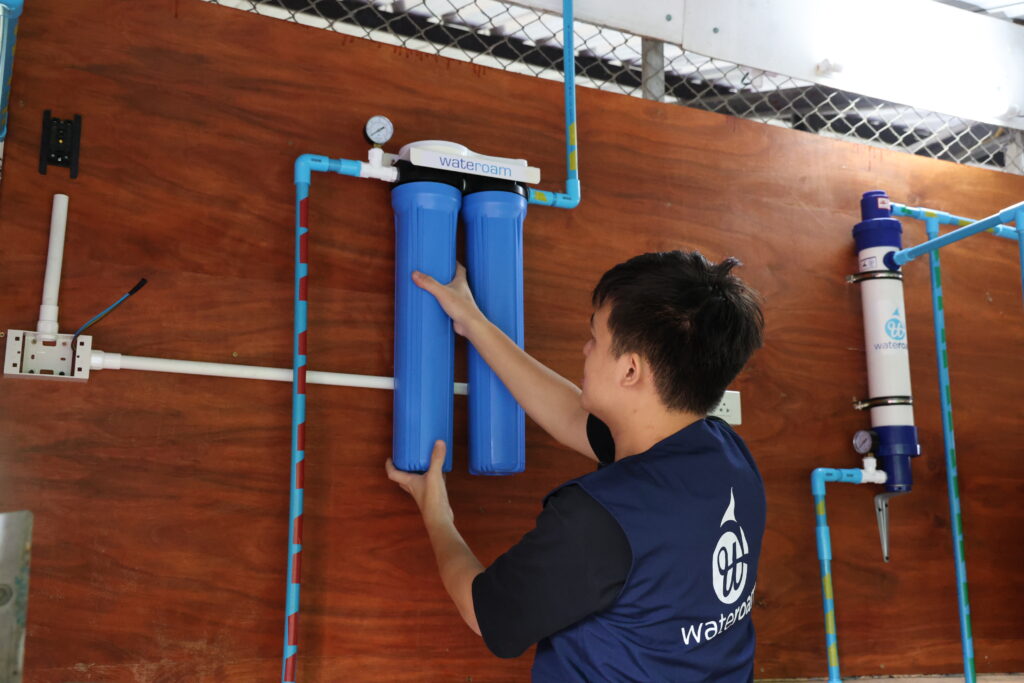
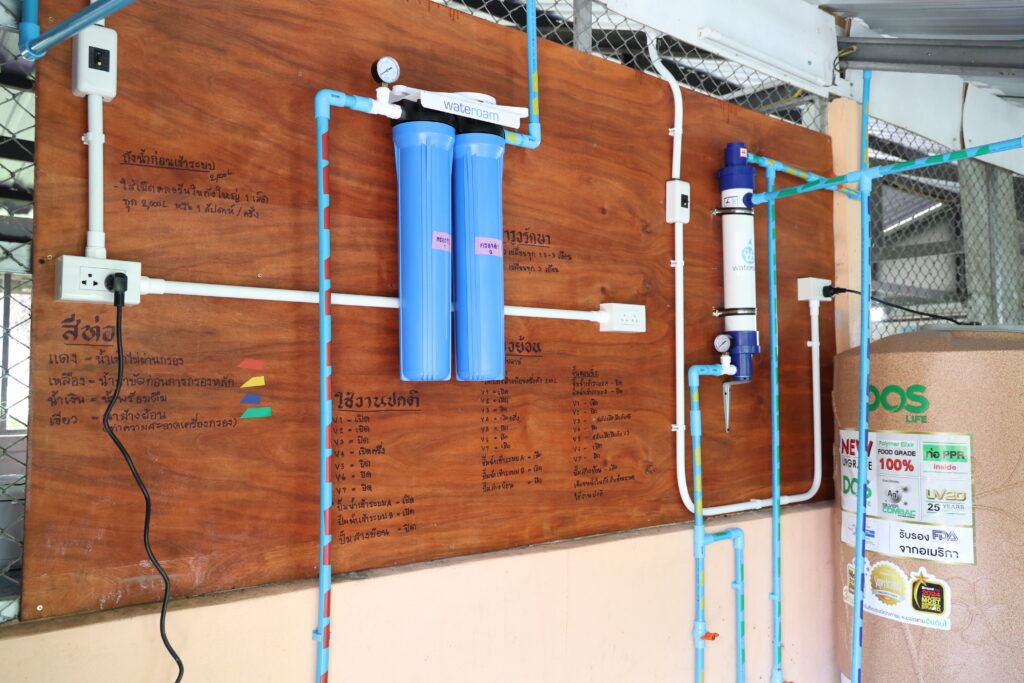
Installation of clean water filtration systems
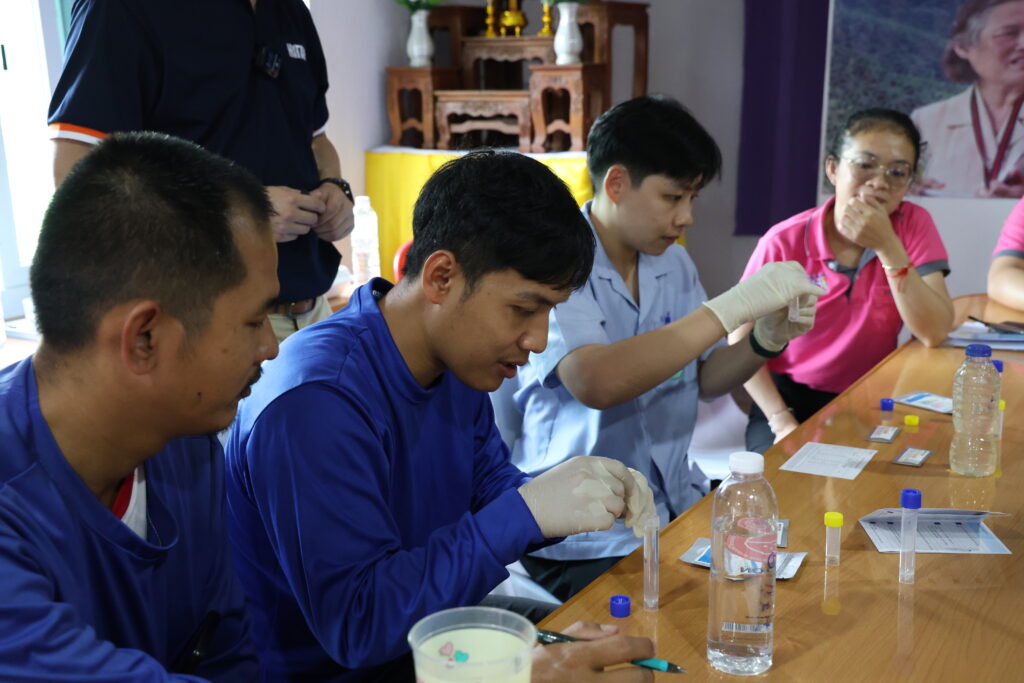
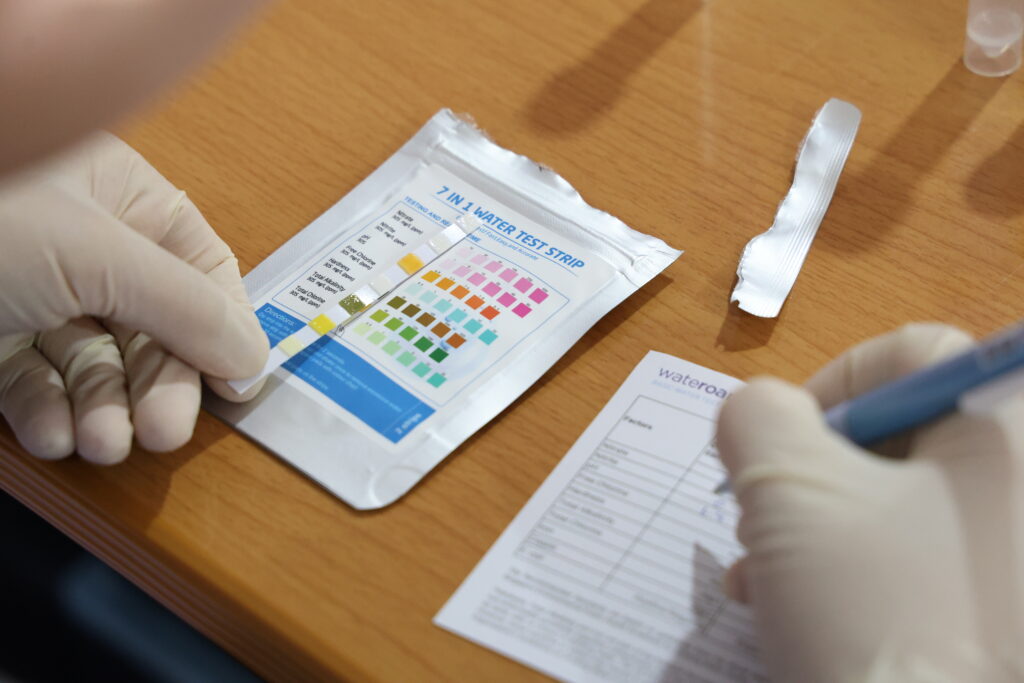
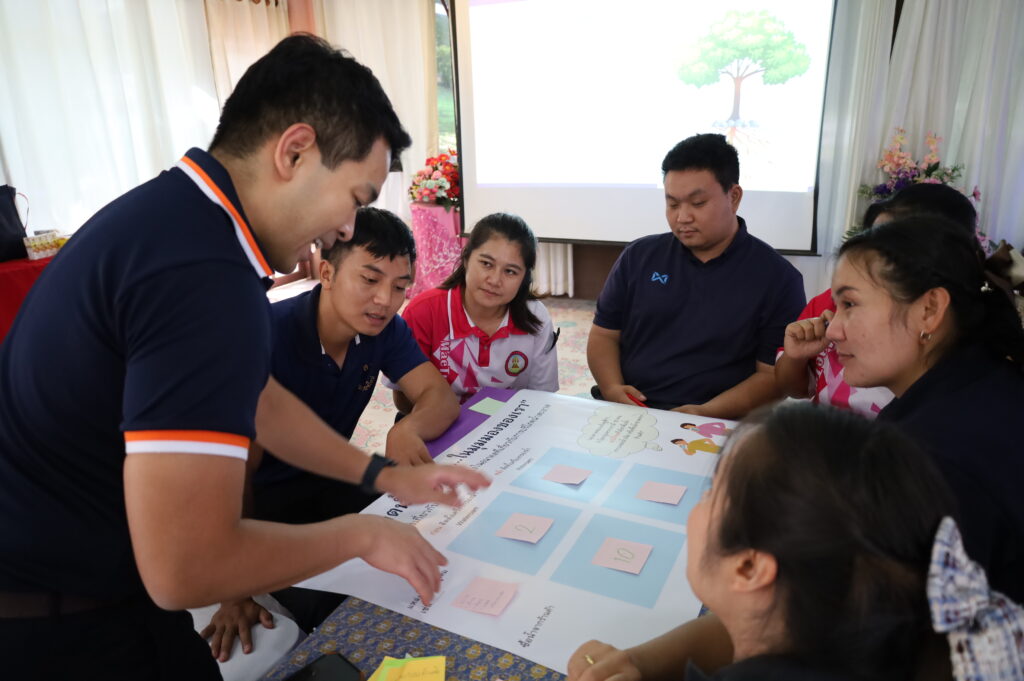
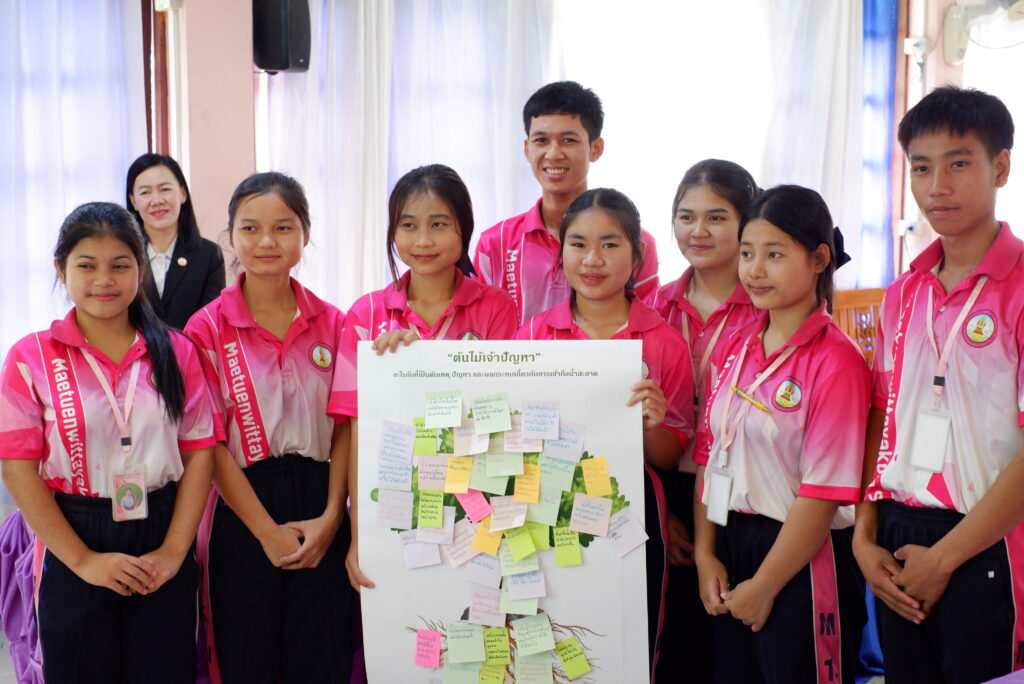
Infield assessment with local communities led by researchers from MIDAS
Evidence from the fieldwork was shared at a Prince Mahidol Award Conference (PMAC) 2026 side meeting, “Clean Water, Shared Futures: Strengthening Water Security, Sustainability and Equity for Rural Health amid Demographic Change.” The session used insights from pilot implementation to inform discussion and support the development of a policy roadmap for scaling clean water interventions beyond pilot settings.
The meeting was hosted by HITAP and MIDAS, in collaboration with NUS and the Wateroam team, and focused on implementation experience in rural and resource-limited contexts: what works, what does not, and why.
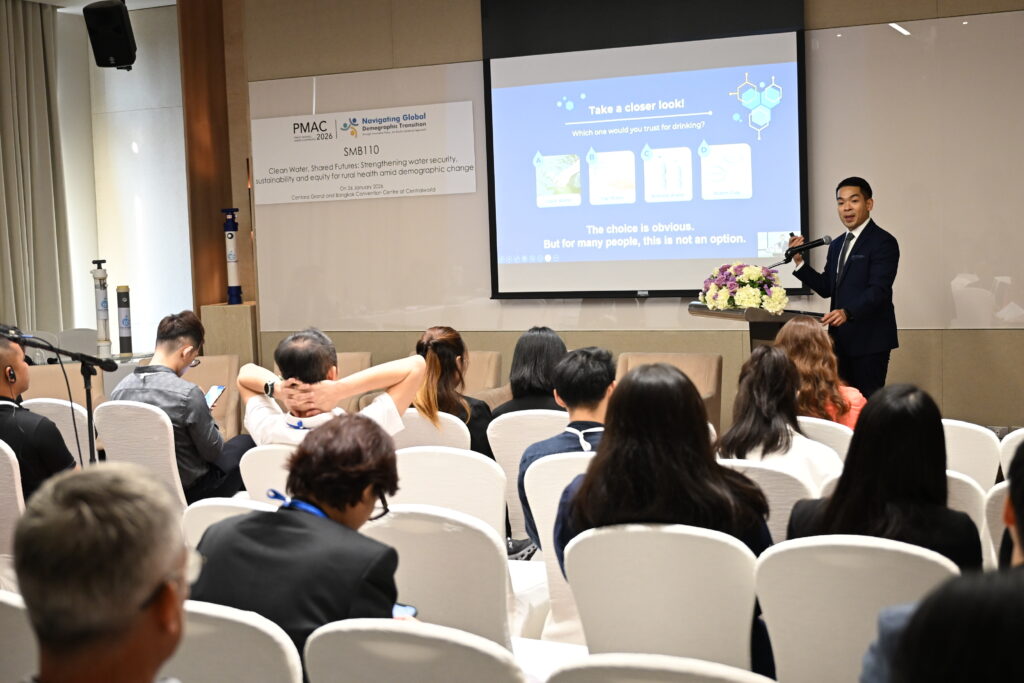
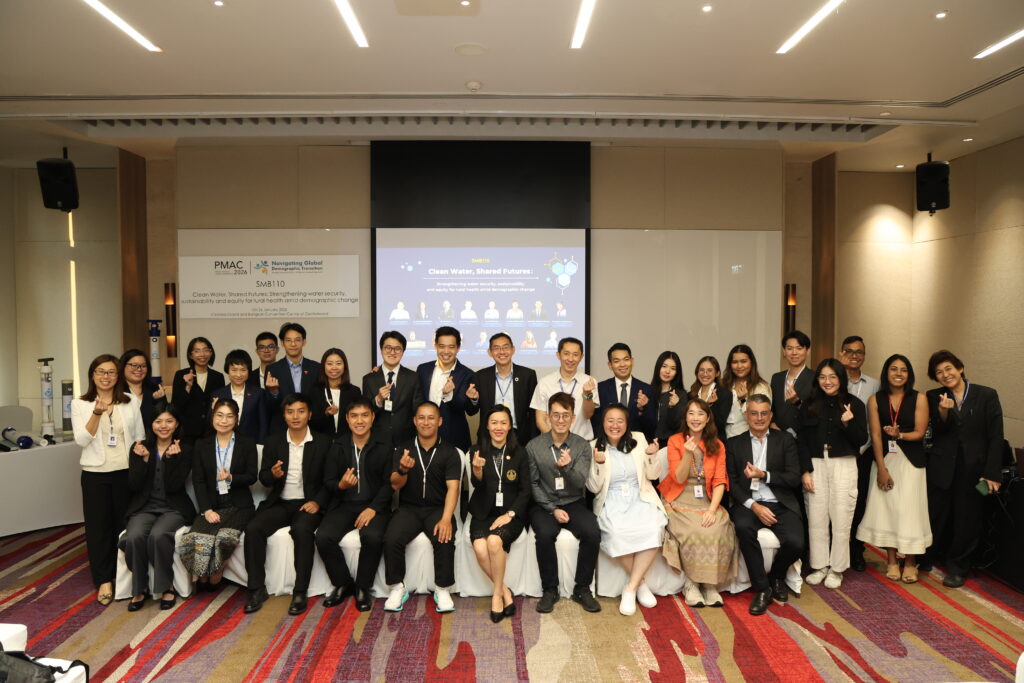
MIDAS team presenting at the PMAC 2026 side meeting on clean water systems.
Lessons from Pilot Interventions
Evidence from pilot clean water projects showed the benefits of system-informed solutions. Filtration systems installed in schools led to clear improvements in microbial water quality. Communities also reported major time savings from reduced time spent collecting or buying drinking water.
Access to reliable clean water additionally brought wider social benefits. Schools reported better attendance and daily operations. Communities described greater confidence and dignity from having dependable water systems. These results show that clean water interventions create value beyond health, including benefits for education and daily life.
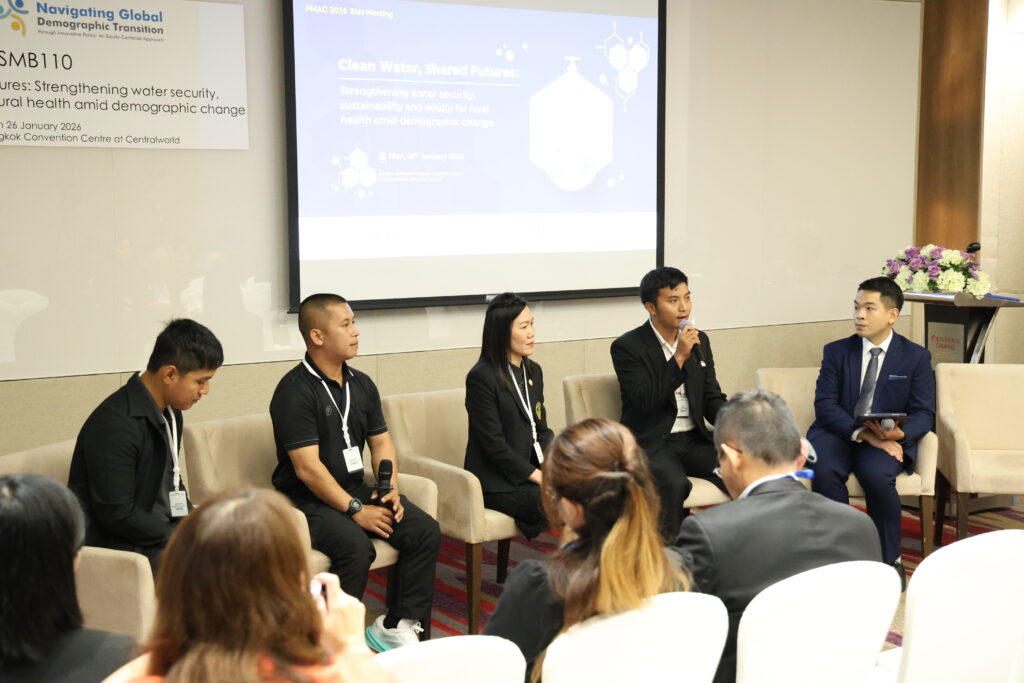
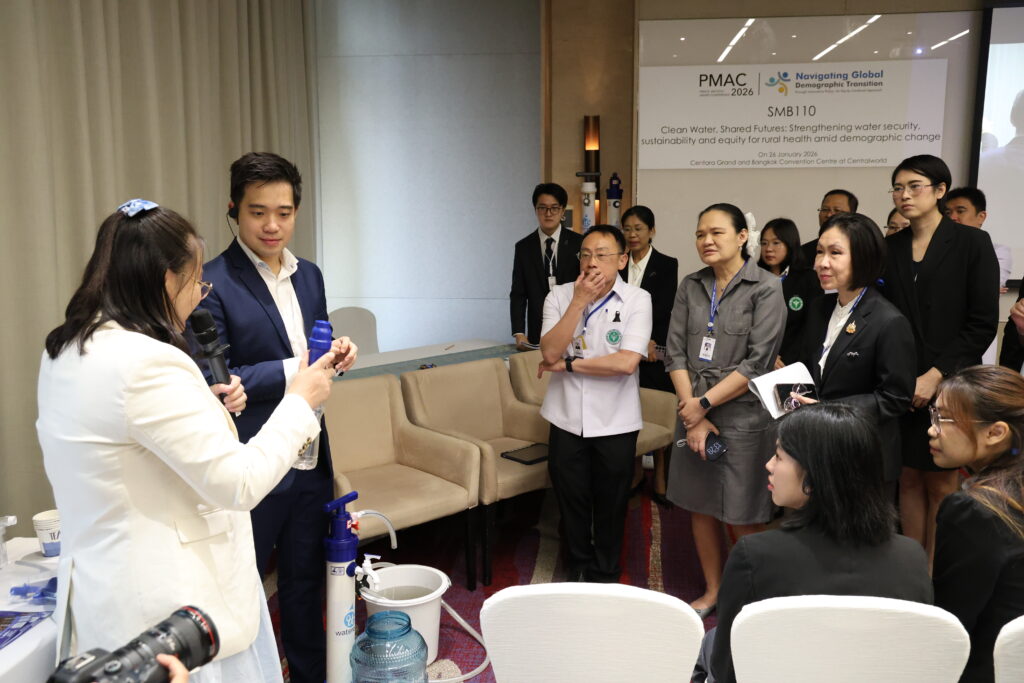
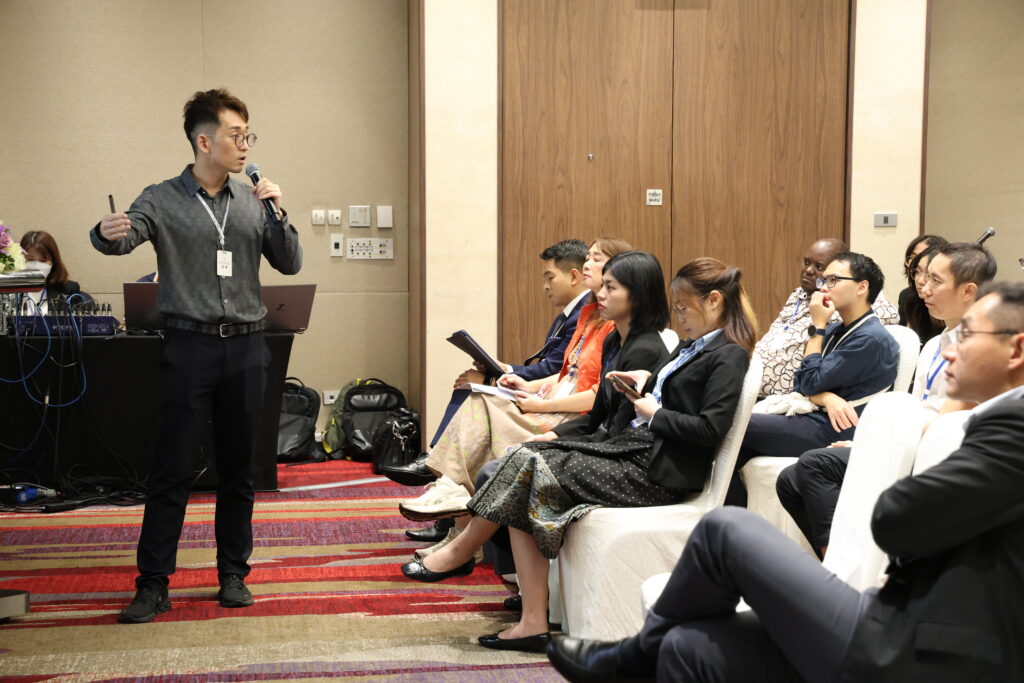
Scene from the PMAC 2026 side meeting, featuring discussion among policymakers, researchers, partners, and local communities.
Why Systems Matter
Despite these positive results, a consistent message from the session was that technology alone is insufficient. Long-term sustainability depends on governance arrangements, local capacity, maintenance systems, and trust. Without these supporting elements, even effective technologies may fail to deliver lasting impact.
The Role of Early HTA
MIDAS contributes an implementation-focused approach that looks at how clean water interventions work within real community systems. Rather than evaluating technology on its own, MIDAS examines how solutions are adopted, used, and maintained in everyday settings. This includes assessing community acceptance, feasibility, and the role of local governance and capacity in long-term sustainability.
A key tool in this work is early HTA, which helps decision-makers assess value before large-scale investment. For clean water interventions, this means looking beyond health outcomes to include financial sustainability and broader social impact. Early HTA helps estimate how investments can reduce preventable disease, lower long-term health costs, and reduce financial risks for households and health systems.
Rethinking Return on Investment
The session additionally stressed the need to rethink how return on investment (ROI) is defined for water systems. While health cost savings are important, the value of clean water also includes better school attendance, higher productivity, and more equal access to essential services.
From Pilots to Systems
Moving from pilot projects to sustainable systems requires coordinated action. This includes using implementation evidence in policy decisions, strengthening cross-sector collaboration, and designing financing models that reflect the combined health, social, and environmental benefits of clean water. Ultimately, clean water is a system-level policy issue. Evidence from real-world implementation is essential to design solutions that are equitable, sustainable, and effective over time.